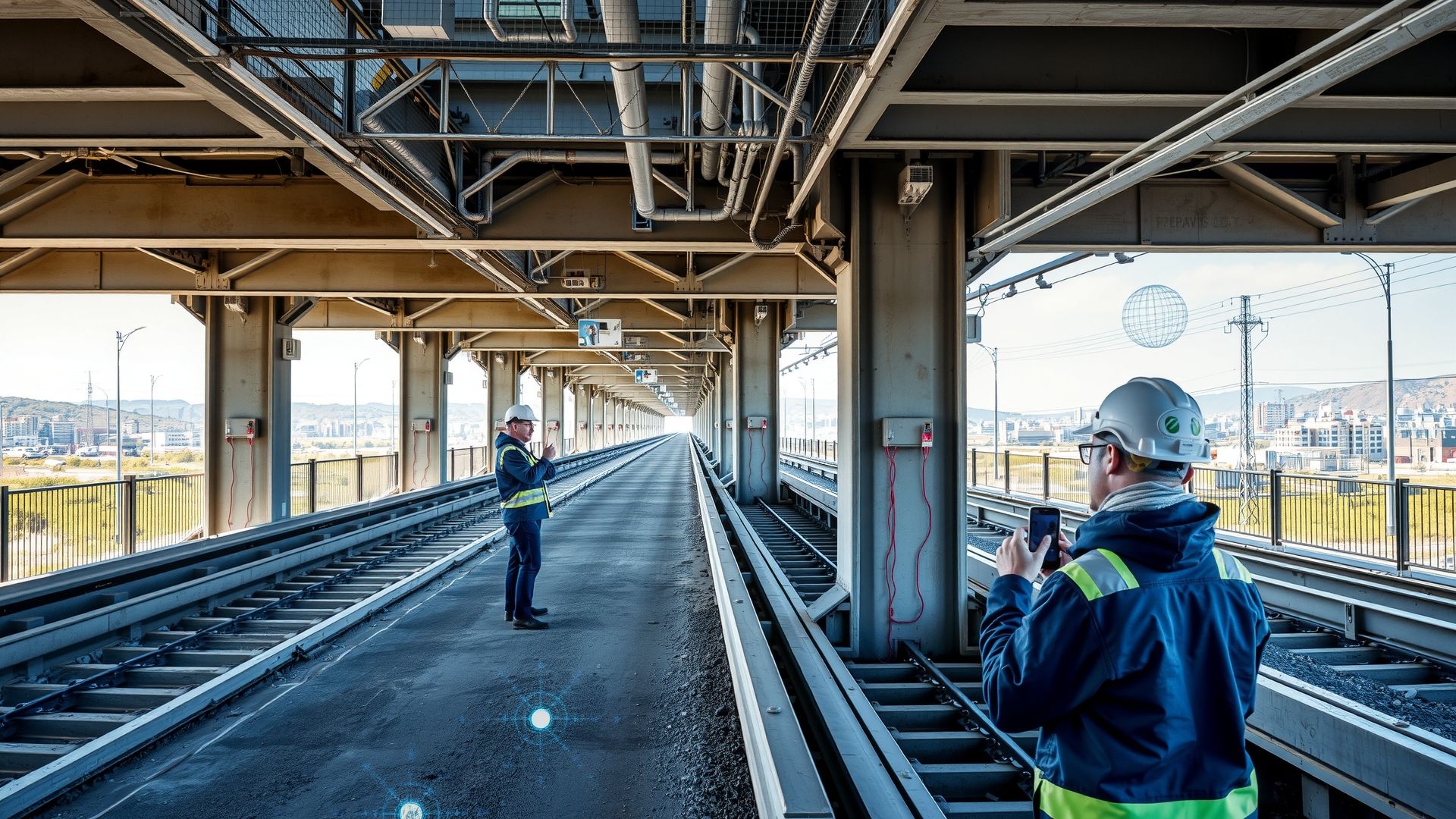
Greece Leverages AI and Sensors for Real-Time Bridge Monitoring
Greece is adopting advanced technology, including artificial intelligence and sensor networks, to monitor its aging bridges in real time. This initiative aims to enhance the safety and longevity of critical infrastructure through predictive maintenance and structural health monitoring.
Introduction
As infrastructure ages, monitoring its condition becomes increasingly essential to ensure public safety and long-term resilience. Greece's recent initiative combines artificial intelligence (AI) with advanced sensor networks to provide real-time monitoring of aging bridges. This innovative approach represents a significant advancement in structural health monitoring (SHM), enabling more proactive maintenance strategies and enhancing understanding of infrastructure dynamics.
Infrastructure plays a pivotal role in modern society, supporting everything from transportation to commerce. However, many nations grapple with maintaining their aging infrastructure. In response to these challenges, Greece introduced a comprehensive solution aimed at leveraging cutting-edge technology to monitor the condition of its bridges more effectively.
What happened
Recent reports indicate that Greek authorities have begun installing a network of sensors on critical bridges across the nation. These sensors collect extensive data on structural integrity, environmental conditions, and usage patterns. The data gathered is processed using AI algorithms, which can identify patterns and anomalies indicative of potential issues, allowing for timely interventions.
The implementation of these systems aligns with global trends towards smart infrastructure—a movement that recognizes the need for enhanced monitoring and maintenance practices in engineering. The use of AI allows for predictive maintenance, wherein potential problems can be forecasted before they become critical, minimizing downtime and repair costs.
Why it matters
Monitoring aging infrastructure is vital to public safety. Bridges, in particular, are critical components of transportation networks and are subject to wear and tear from both environmental factors and heavy usage. The failure of a bridge can lead to catastrophic consequences, including loss of life and economic disruption.
By adopting AI-driven monitoring systems, Greece not only aims to enhance safety but also to extend the lifespan of its bridge infrastructure. Real-time data allows engineers to make informed decisions regarding maintenance schedules and upgrade plans, ultimately leading to more effective allocation of resources. This strategic move reflects a growing awareness of the need for resilient infrastructure capable of coping with the challenges posed by climate change and increasing urbanization.
Industry and infrastructure implications
The implications of Greece's initiative extend beyond its borders, showcasing a model that could be adopted by other nations facing similar infrastructure challenges. The integration of AI and IoT (Internet of Things) technologies in infrastructure monitoring can create a paradigm shift in how civil engineering is approached, placing a greater emphasis on data-driven decision-making.
Furthermore, this initiative could catalyze also the emergence of a robust market for technology solutions focused on infrastructure monitoring, paving the way for innovation in sensor technologies, data analytics, and engineering practices. Collaborations between technology firms and civil engineering companies may lead to the development of next-generation materials and methods that enhance the safety and durability of infrastructure.
Future outlook
Looking ahead, the success of Greece's initiative could potentially lead to wider adoption of similar technologies in other sectors, such as railway and tunnel monitoring. The principles behind real-time monitoring can apply to various types of infrastructure, supporting broader efforts towards sustainability and resilience.
As technology continues to evolve, further integration of AI and machine learning capabilities can enhance monitoring systems, enabling them to provide even richer insights into structural health. Future developments could see the incorporation of predictive analytics and digital twins, creating a comprehensive virtual model of infrastructure for ongoing assessment and management.
Conclusion
The move by Greece to implement AI and sensor networks for real-time monitoring of aging bridges symbolizes a pivotal shift towards smarter infrastructure management. By prioritizing safety and efficiency through cutting-edge technology, Greece sets an example for other nations grappling with similar infrastructure challenges. As this initiative unfolds, it will be crucial to monitor its impact on infrastructure resilience and public safety, offering invaluable lessons for the future of civil engineering and infrastructure management.
In conclusion, leveraging technology to monitor infrastructure not only enhances safety but also fosters sustainable development practices, ensuring that critical assets can support society well into the future.