Blogs
Advancing Explainable Inference & Digital Trust
Publishing open, auditable research on signal fusion, multi-modal neural network explainability, and real-time generative media detection benchmarks.
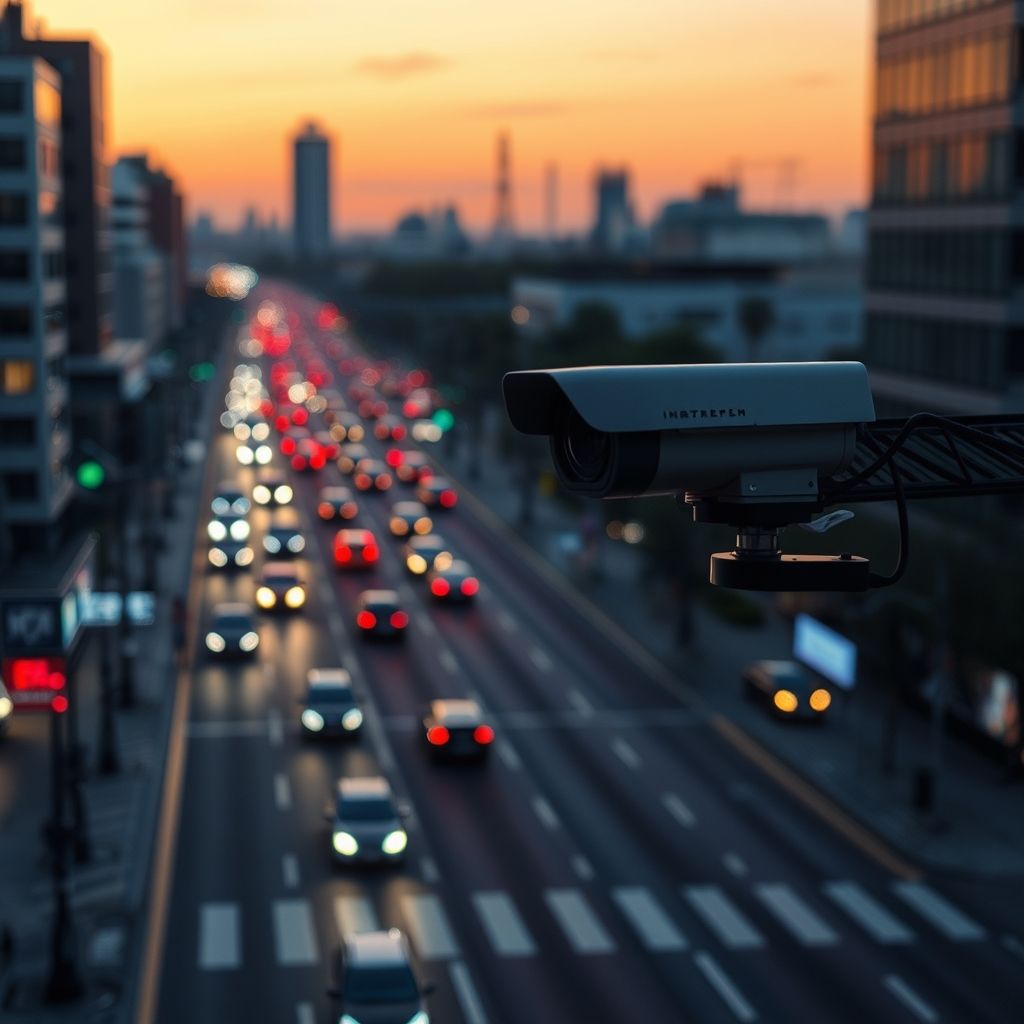
Edge AI for Urban Surveillance: Operationalizing Intelligent Video Analytics for Safer, Resilient Cities
As cities invest in camera networks, edge AI and intelligent video analytics are reshaping public safety, infrastructure monitoring, and operational decision-making. This article examines practical deployment considerations, cybersecurity risks, infrastructure impacts, and actionable recommendations for city planners, security operators, and integrators.

What Georgia Tech’s No. 2 Engineering Ranking Means for Critical Infrastructure Intelligence
Georgia Tech's rise to No. 2 in the 2027 U.S. News undergraduate engineering rankings is more than academic prestige — it signals a direct boost to the talent pipeline, technology innovation, and resilience of critical infrastructure systems at scale.

US and China Discuss Mutual AI Threat Alerts to Prevent National-Security Incidents
Senior US and Chinese officials reportedly discussed creating a bilateral mechanism to alert one another about AI-related incidents that could threaten national security. The talks focused on notification channels, verification challenges, and the need for technical and diplomatic safeguards to avoid misattribution and escalation.

Operationalizing AI Surveillance: Building Resilient Intelligent Video Analytics for Public Safety and Infrastructure
As cities and critical infrastructure adopt AI-driven video analytics, operators must balance detection performance with cybersecurity, ethical risk, and operational resiliency. This article outlines practical strategies for deploying intelligent surveillance systems that deliver public safety value while managing technical and organizational challenges.

Why 800 VDC AI Data Centers from Khazna and Siemens Matter for Critical Infrastructure
Khazna and Siemens are piloting AI-optimized data centers using 800 VDC power distribution. For operators of critical infrastructure, this shift promises higher efficiency, reduced complexity, and new opportunities for edge AI, predictive maintenance, and resilient power design.
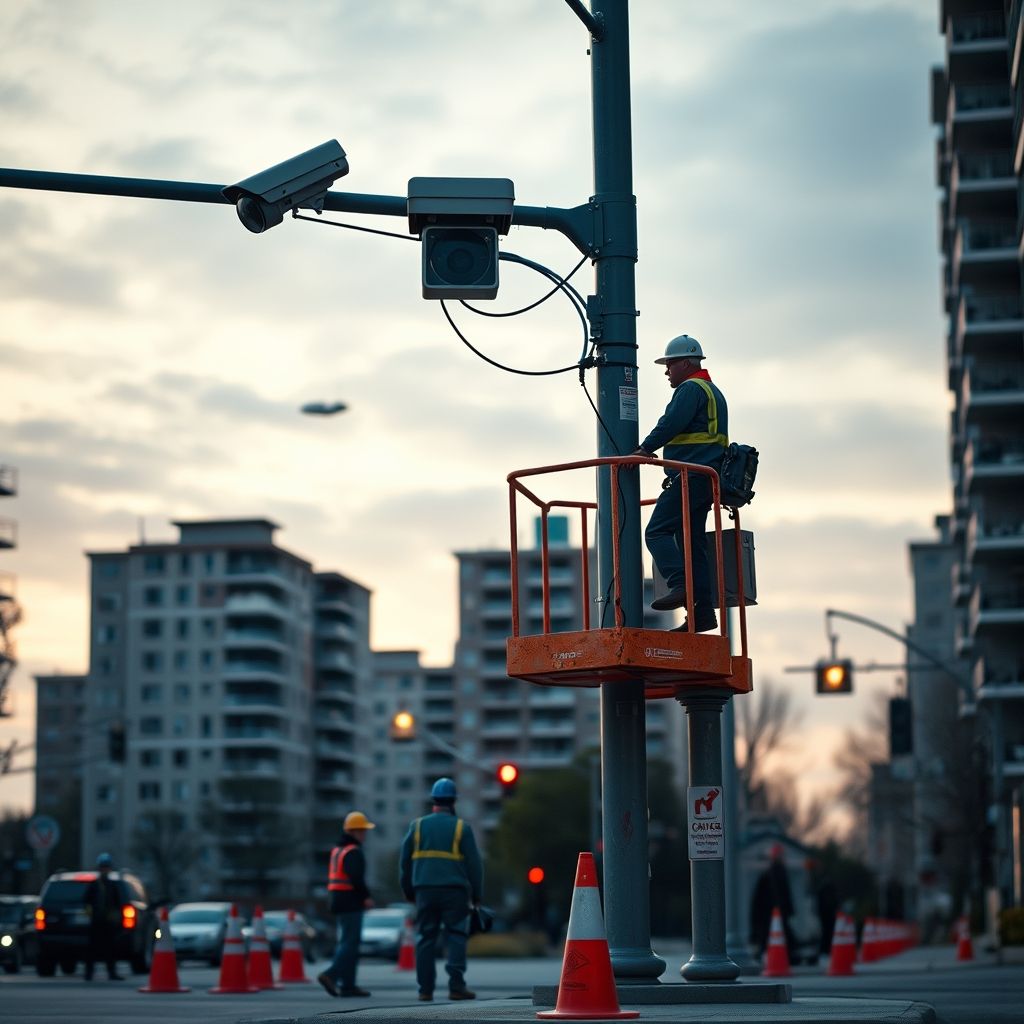
Flock Buyouts and the Surveillance Backlash: What the Retreat from License-Plate Readers Means for Identity and Trust
Flock, a maker of license-plate reader (LPR) systems, is offering voluntary buyouts as dozens of cities cut ties amid concerns over privacy, accuracy, and oversight. The company’s retreat highlights broader tensions at the intersection of mass surveillance, identity verification, and trust in automated systems.


Harrisburg Pike Bridge Inspection: What the Lane Restrictions Reveal About Infrastructure Intelligence
A routine inspection of the Harrisburg Pike bridge in Lancaster County triggered lane restrictions and traffic impacts. That event highlights broader challenges and opportunities for bridge owners: aging assets, public safety, and the urgent need to scale digital inspection and predictive maintenance tools.

Securing the Perimeter: Edge AI, Intelligent Video Analytics, and Cybersecurity for Critical Infrastructure
As critical infrastructure adopts edge AI and intelligent video analytics, organizations must balance operational gains with new cybersecurity and privacy risks. This article examines practical deployments, threat vectors, resilience strategies, and operational best practices for integrating AI-powered surveillance into industrial and civic environments.

AI Adoption in Critical Infrastructure: Why Visibility Must Lead the Race
As critical infrastructure accelerates AI adoption, visibility across assets and operations is the prerequisite for safe, resilient, and accountable deployment. Owners and operators must prioritize sensing, data lineage, and model governance before scaling AI-driven decisions.

Widespread Misuse of Generative AI: From Deepfakes to Biothreats and What It Means for Trust
A recent Wired roundup documents an alarming spread of generative-AI misuse: models being leveraged for harmful biological guidance, AI-generated child-abuse videos slipping past platform defenses, and ongoing cybercrime and marketplace disruptions. These developments highlight acute challenges for verification, content authenticity, and identity trust in an era of synthetic media.

Edge AI and Intelligent Video Analytics: Operationalizing Surveillance for Resilient Cities and Critical Infrastructure
Edge AI-powered video analytics are reshaping how cities, operators, and security teams detect threats, manage incidents, and protect critical infrastructure. This editorial explains practical deployment patterns, cybersecurity and privacy considerations, and operational best practices for converting camera networks into resilient, actionable sensing fabrics.

Apple Watch’s New Listening Features: Privacy Protections Don’t Eliminate Risk
Apple’s latest Watch introduces new listening capabilities that the company says include built-in privacy and security safeguards. Those protections can limit data exposure, but they don’t erase the basic facts: devices that listen create new vectors for surveillance, misuse, and challenges to content and identity trust.

San Francisco Orders Meta to Stop AI-Generated Child Abuse Ads: Implications for Content Moderation and Trust
San Francisco’s City Attorney has demanded that Meta explain and cease the circulation of AI-generated ads depicting child sexual abuse on Facebook and Instagram. The demand highlights tensions between municipal authorities and platform responsibility as synthetic media misuse exposes gaps in enforcement, detection, and legal jurisdiction.

Clearview’s InquiryIQ: A Police-Focused AI Tool That Could Expose Your Online Life
Clearview AI has been testing a prototype called InquiryIQ that layers an external generative model to aggregate people, social accounts, and other online traces tied to a face search. The move highlights growing risks where powerful image-based identification services are being combined with generative and retrieval AI to rapidly surface personal networks and digital footprints for law enforcement use.

Stony Brook’s Digital Twin Studio: A New Frontier for Grid Research and Resilience
Stony Brook University is launching a Digital Twin Studio to accelerate grid research, resilience planning, and operational intelligence for utilities — blending physics-based models, AI, IoT sensing, and edge computing to modernize critical infrastructure monitoring and predictive maintenance.

Stony Brook’s Digital Twin Studio: Accelerating Grid Research and Critical Infrastructure Intelligence
Stony Brook University’s new Digital Twin Studio signals a practical shift toward data-driven grid resilience. For infrastructure owners and operators, the studio highlights how digital twins, AI, and distributed sensing can transform monitoring, predictive maintenance, and emergency response.

Stony Brook’s Digital Twin Studio: A New Frontier for Grid Resilience and Critical Infrastructure Intelligence
Stony Brook University is launching a Digital Twin Studio aimed at accelerating grid research and resilience. This initiative brings together sensors, AI, and simulation to strengthen utilities and critical infrastructure operations.

ICE Subpoena for REI Beanie Purchases Raises Identity and Surveillance Concerns
Homeland Security Investigations issued a broad subpoena seeking records of anyone who bought a particular green beanie from REI over a two-year period as part of an effort to identify protesters. The request highlights risks around retail data, law enforcement discovery, and the ways seemingly mundane purchases can be used to infer identity and participation in political activity.

Operationalizing Intelligent Video Analytics for Smart Cities and Critical Infrastructure
Cities and infrastructure operators are moving from pilot AI video projects to production-scale deployments. Operationalizing intelligent video analytics requires combining edge AI, secure data pipelines, integrated incident workflows and measurable ROI—while managing privacy and cyber risk.

Popp’s Ferry Bridge Reopened After Multi‑Vehicle Wreck: Lessons for Critical Infrastructure Intelligence
A multi‑vehicle wreck temporarily closed the Popp’s Ferry Bridge. The quick clearance and reopening underscore the operational and monitoring challenges facing bridge owners and transport agencies.

ATM Software Flaws Expose Deeper Risks to Identity Trust and the Software Supply Chain
A researcher found nine vulnerabilities in widely used ATM encryption and authentication software, exposing not only individual machines but weaknesses across a distributed financial software supply chain. The defects highlight how flaws in embedded cryptography and authentication libraries can enable account takeover, fraud, and erosion of trust in identity verification systems used by banks and payment networks.

Poland’s Minister Blasts Meta Over Deepfake Scam Takedown, Raising Questions on Moderation and Trust
A Polish cabinet minister has accused Meta of engaging in the darkest form of censorship after the company removed content linked to an alleged deepfake scam. The dispute highlights tensions between platform moderation, the rise of synthetic media, and the need for clearer rules on authenticity and user protection.

Rideshare Dashcams, Police Coaching, and the Risks to Content Authenticity and Identity Trust
A recent Wired investigation reveals plans by dashcam vendor Flock to deploy cameras in rideshare vehicles and to surface curated footage for law‑enforcement coaching. The initiative raises urgent questions about how captured video is authenticated, who controls access, and how such systems could amplify bias, enable misidentification, or be abused when combined with advanced manipulation tools.

Edge AI for Smart Cities: Operationalizing Video Analytics for Public Safety and Infrastructure Resilience
Edge AI and intelligent video analytics are reshaping how cities monitor public spaces and manage critical infrastructure. This article examines operational strategies, cybersecurity risks, and practical pathways for deploying AI-driven surveillance at scale.

What Smart Cities Rankings Mean for Critical Infrastructure Intelligence
A recent ranking of U.S. cities for technology services highlights concentrated innovation hubs that matter for critical infrastructure owners. Here’s what the findings mean for infrastructure monitoring, digital twins, predictive maintenance and operational resilience.

The Future of Intelligent Video Analytics in Smart Cities
Exploring the role of intelligent video analytics in enhancing urban safety and efficiency, while addressing the challenges and opportunities they present.

Transforming Infrastructure Monitoring: The Role of AI in Structural Health Management
Discover how advancements in AI, machine learning, and smart sensor technology are revolutionizing structural health monitoring (SHM) and predictive maintenance.

Revolutionizing Infrastructure Monitoring with AI-Powered Solutions
Discover how the latest advancements in AI, digital twins, and IoT are transforming structural health monitoring in smart infrastructure projects.

Enhancing Public Safety Through AI-Powered Surveillance Solutions
Explore how AI-driven surveillance technologies are transforming public safety initiatives in urban environments.
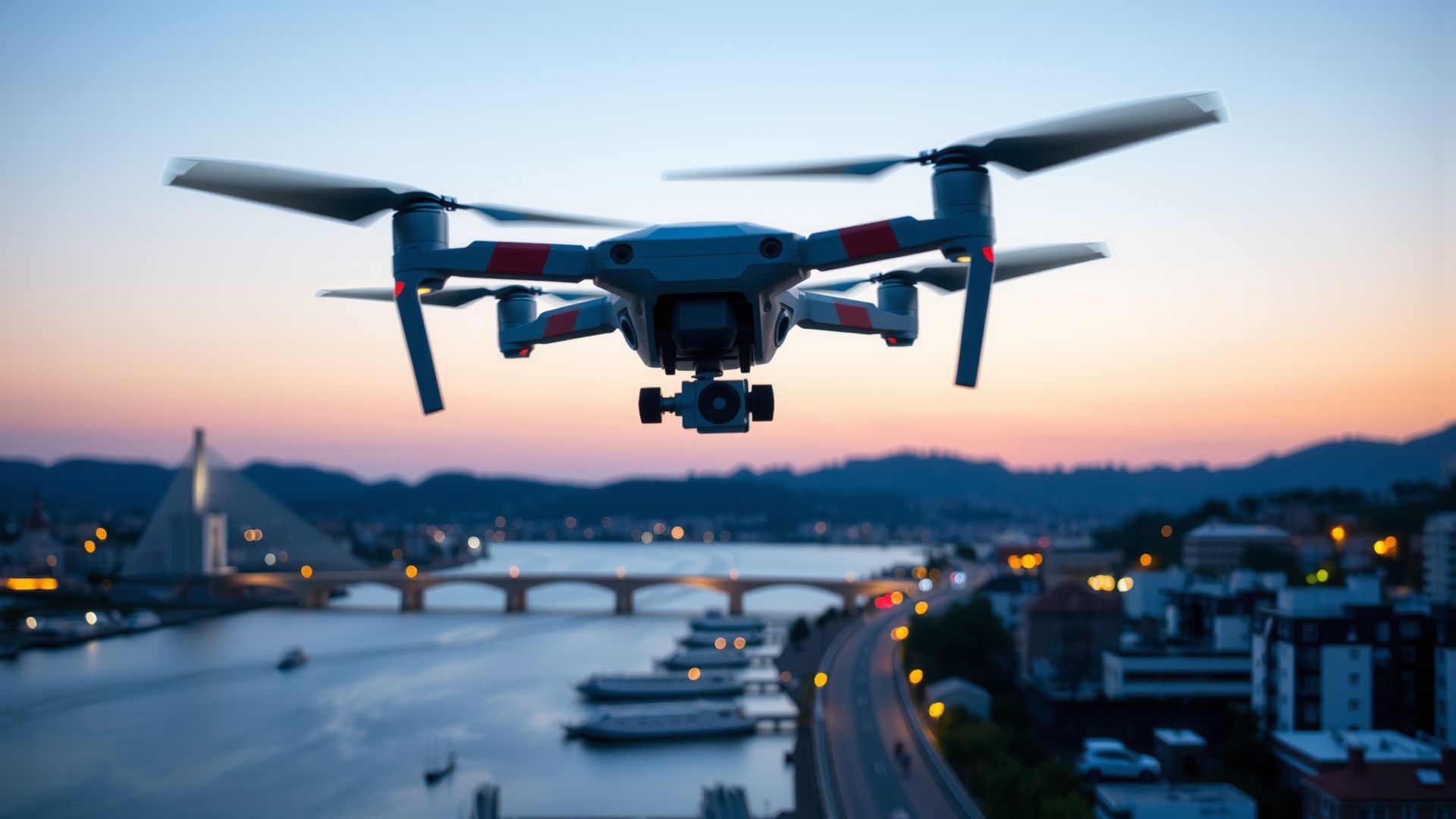
Leaked SFPD Drone Footage Highlights New Risks to Citywide Visual Privacy and Content Trust
A large tranche of San Francisco police drone videos released from the Skydio platform has revealed the scale and granularity of aerial surveillance over the city. The leak is not only a privacy incident but also a test case for how raw visual data can be repurposed, manipulated, and weaponized in a generative-media era.

Revolutionizing Infrastructure with AI-Powered Structural Health Monitoring
Explore how AI-driven technologies like digital twins and sensors are transforming infrastructure monitoring, ensuring safety and sustainability for bridges and buildings.

Enhancing Public Safety through Intelligent Video Analytics in Smart Cities
This article explores how intelligent video analytics can revolutionize public safety measures in urban environments, enabling proactive threat detection and enhanced emergency response.

The Rising Tide of Cybercrime in India Amid Falling Traditional Crime Rates
As India's overall crime rate sees a 6% decline, cybercrime cases surge past one lakh, raising critical concerns about digital security. This article explores the underlying factors contributing to this alarming trend, emphasizing the need for advanced surveillance and cybersecurity measures.

AI and Cybercrime: Navigating the Rising Tide of Digital Offenses Amid Declining Traditional Crime Rates
Despite a reported 6% decrease in India's overall crime rate, cybercrime is on the rise, surpassing one lakh cases. This blog explores the implications of this trend, particularly in relation to AI surveillance and intelligent video analytics.

Harnessing AI and Sensors for Real-Time Monitoring of Greece's Aging Bridges
Greece has initiated an innovative approach to bridge safety by leveraging artificial intelligence and advanced sensor technology for real-time monitoring. This initiative aims to enhance structural health monitoring and predictive maintenance, ensuring the integrity of critical infrastructure.

Greece Leverages AI and Sensors for Real-Time Bridge Monitoring
Greece is adopting advanced technology, including artificial intelligence and sensor networks, to monitor its aging bridges in real time. This initiative aims to enhance the safety and longevity of critical infrastructure through predictive maintenance and structural health monitoring.

Dialog Breach Raises Significant Concerns Over Security and Identity Trust
The recent claim by Dialog regarding a hack points to alarming vulnerabilities in website security. A misconfigured site left personal details of its members exposed, challenging perceptions of security in private organizations.

Understanding the Rise of Cybercrime Amid Falling Traditional Crime Rates in India
As India's overall crime rate sees a decline of 6%, a stark increase in cybercrime cases surpassing one lakh raises questions about digital security and the effectiveness of surveillance technologies. This article explores the implications of this surge and the role of intelligent analytics in combating cyber threats.

Leveraging AI and Sensors for Real-Time Monitoring of Aging Bridges in Greece
Greece is advancing its infrastructure durability by deploying AI and sensor technology to monitor aging bridges, ensuring structural safety and resilience. This approach enables real-time assessments of conditions, preventing deterioration and potential disasters.

The Rise of Smart Infrastructure: An Analytical Perspective
The smart infrastructure market is anticipated to reach an impressive $1.36 billion, reflecting growing investments in technology-driven solutions for monitoring and maintaining civic structures. This article delves into the significance of monitoring technologies in enhancing infrastructure resilience and efficiency.

Understanding the Surge in Cybercrime Amid Falling Crime Rates in India
Recent statistics show a 6% decrease in India's overall crime rate, yet cybercrime cases have soared past one lakh. This article explores the implications of this trend, particularly in the context of AI surveillance and cybersecurity technologies.

Cybercrime Surge Amidst Declining Crime Rates in India
India experiences a paradox as overall crime rates decline by 6%, yet cybercrime cases exceed one lakh. This article explores the implications of this trend for public safety and security technology.
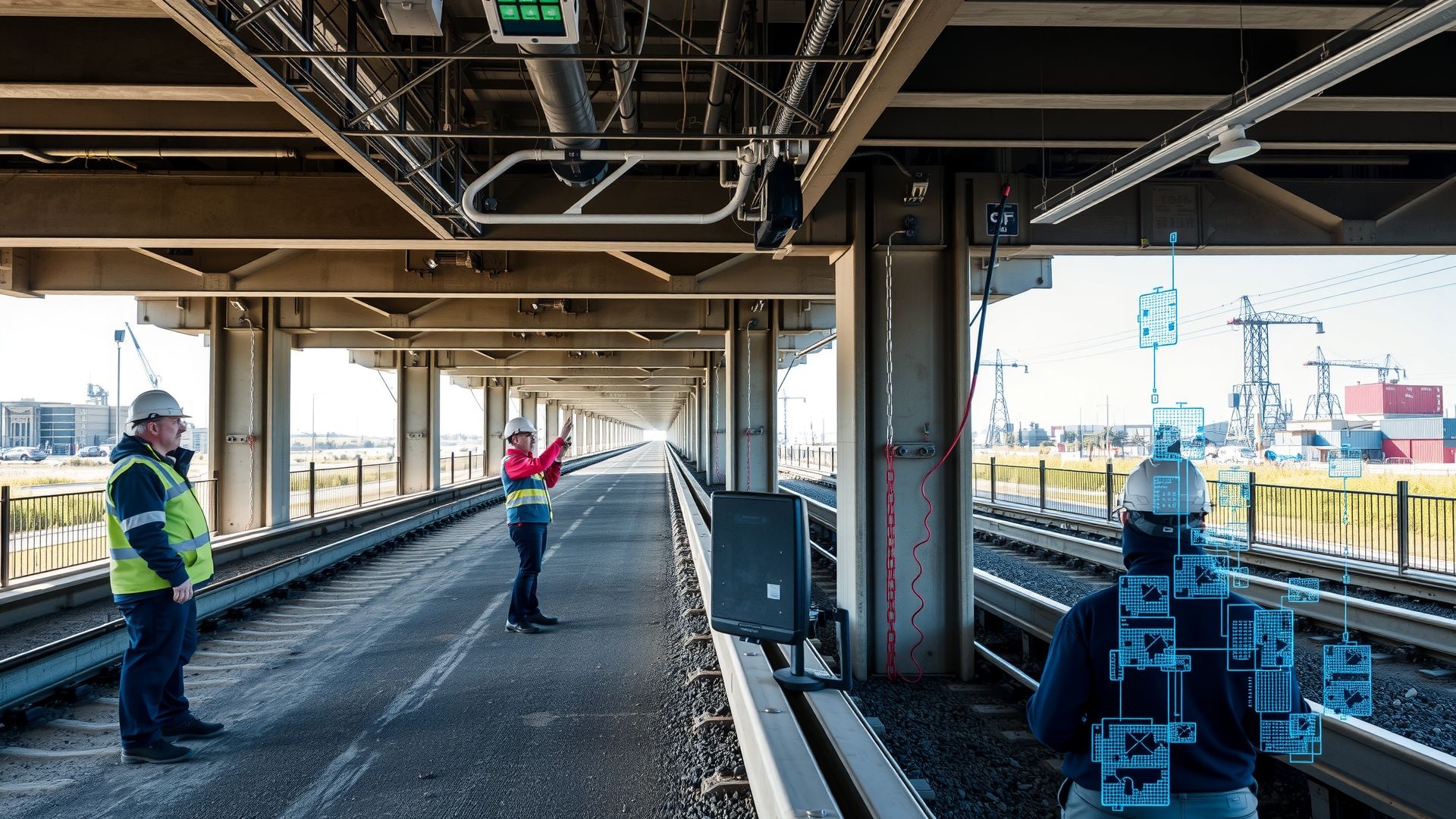
The Rise of Smart Infrastructure: A Market Worth 1.36 Billion
Smart infrastructure is rapidly evolving, intersecting with various technologies to enhance safety and efficiency. This article discusses the market worth 1.36 billion and its implications for engineering, infrastructure, and monitoring technologies.
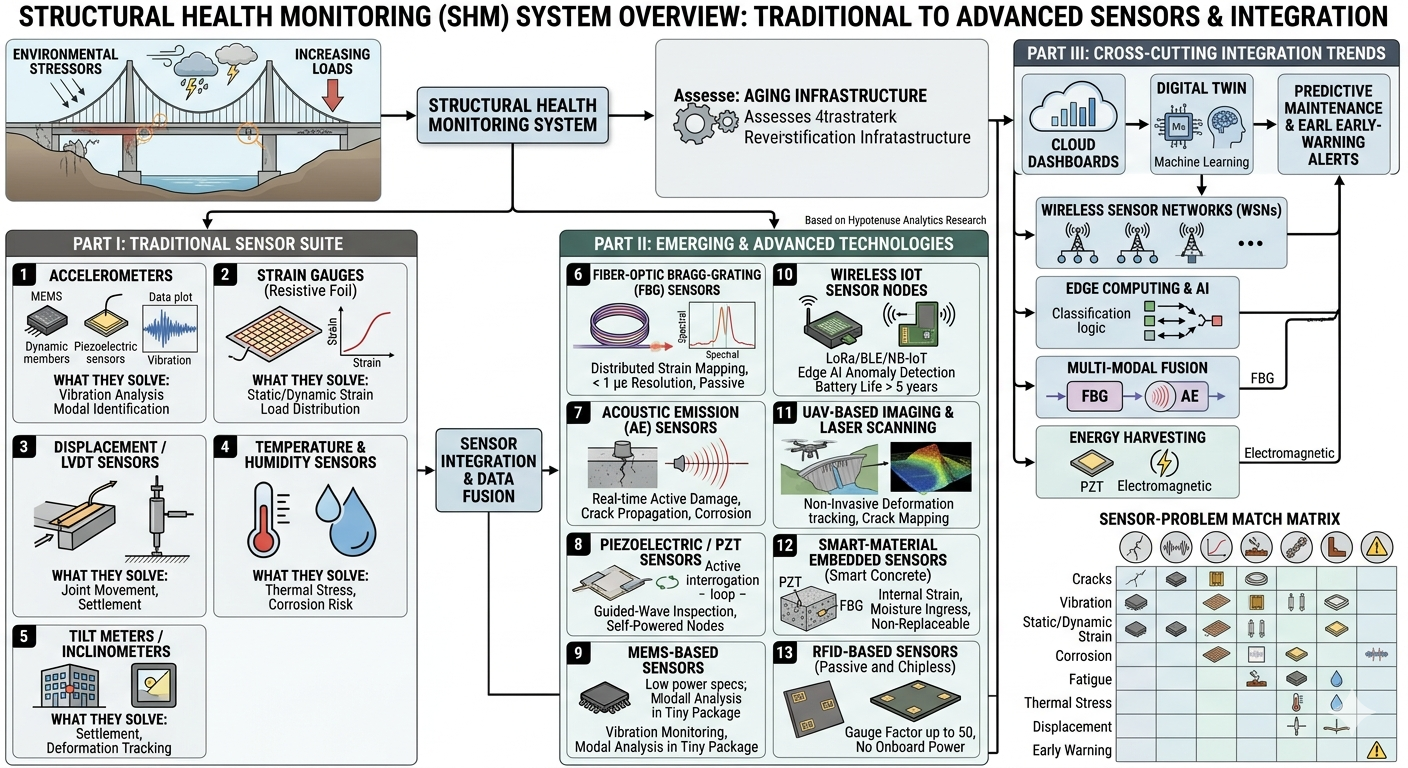
Structural Health Monitoring: The Sensor Landscape and What Problems It Can Solve
This comprehensive guide explores the full spectrum of Structural Health Monitoring (SHM) sensors—from traditional accelerometers and strain gauges to emerging FBG, AE, MEMS, IoT, and RFID technologies—and maps each sensor type to the specific structural problems it solves, including crack detection, vibration analysis, corrosion monitoring, and real-time early warning systems.

Cybercrime Surge Amid Declining Overall Crime Rates in India
While India's overall crime rate has notably decreased by 6%, a stark contrast is evident in the realm of cybercrime, which has crossed the alarming threshold of one lakh reported cases. This discrepancy raises important questions about the nature of crime in the digital age and the implications for surveillance and security.

The Persistent Threat of Sexualized Deepfakes: A Closer Look at Grok
A recent investigation highlights the alarming presence of sexualized deepfakes on Grok’s platform. Featuring nonconsensual images and videos of celebrities and public figures, this practice raises significant concerns surrounding privacy, digital identity, and the misuse of AI technologies.

Google's Search Box Reimagined: The AI-Powered Future of Information Discovery
For the first time in 25 years, Google has unveiled a transformative redesign of its iconic search box, moving beyond keywords to embrace multimodal, AI-driven conversations. This pivotal update, announced at I/O, merges AI Overviews and AI Mode into a seamless experience, signaling a monumental shift in how billions will interact with the web.

AI-Powered Surveillance Systems Are Reshaping Critical Infrastructure Security
Modern AI surveillance systems are enabling real-time anomaly detection, predictive threat monitoring, and automated intelligence generation across critical infrastructure sectors.

AI in Mining Operations
How artificial intelligence is transforming mining automation and predictive analytics.