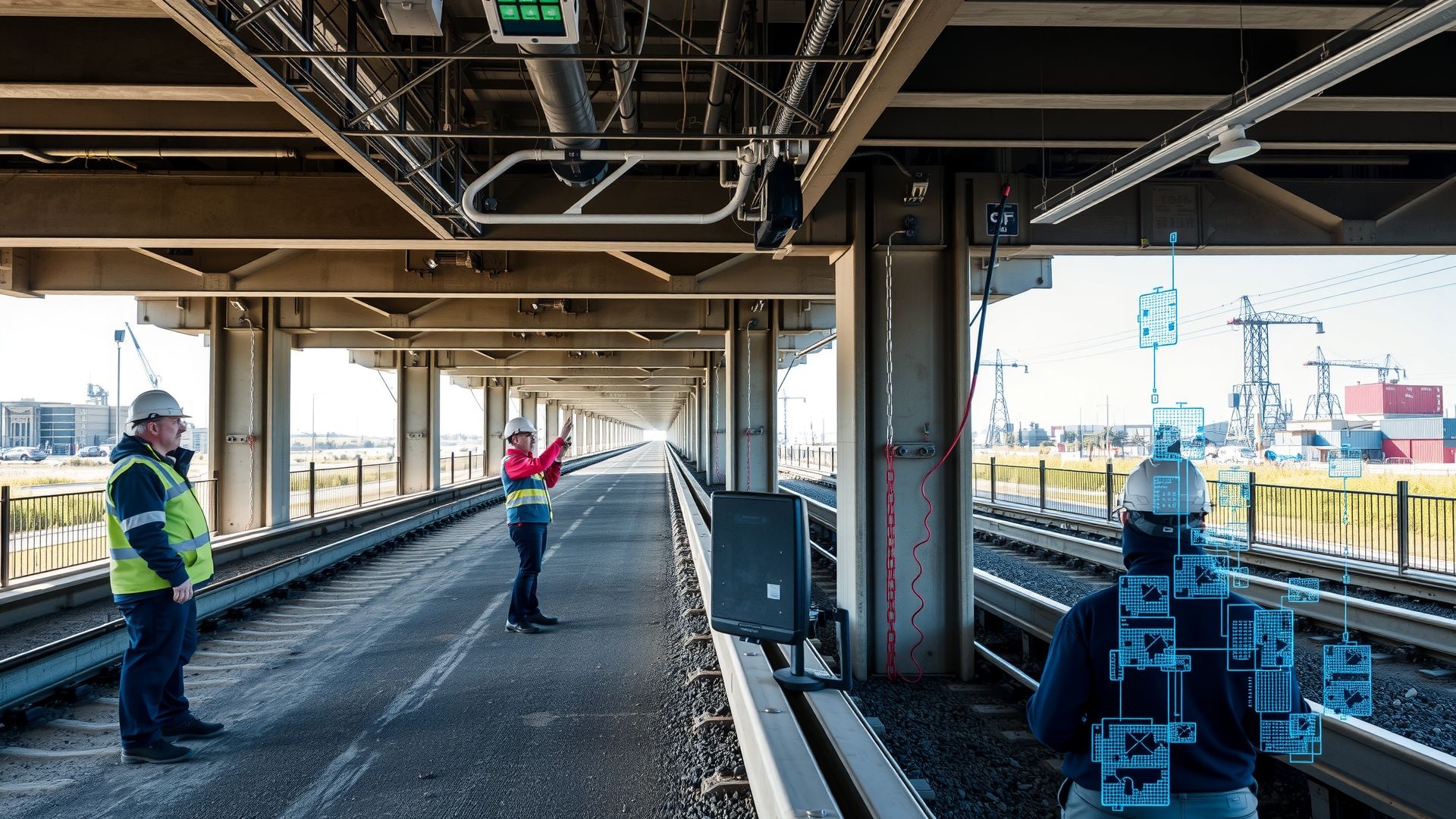
The Rise of Smart Infrastructure: A Market Worth 1.36 Billion
Smart infrastructure is rapidly evolving, intersecting with various technologies to enhance safety and efficiency. This article discusses the market worth 1.36 billion and its implications for engineering, infrastructure, and monitoring technologies.
Introduction
Smart infrastructure represents one of the most transformative trends in civil engineering today, bringing forth an integration of technology aimed at improving the reliability and efficiency of infrastructure systems. The market for smart infrastructure is projected to reach a staggering 1.36 billion, underscoring its potential to reshape how we manage and maintain our critical structures. This article delves into the dynamics of this growing market and its significance in advance monitoring and management techniques.
As urban populations grow and existing infrastructure ages, the need for more intelligent systems that can predict failures and extend asset lifetimes becomes crucial. The synthesis of data from various sources through advanced sensor networks and artificial intelligence plays a key role in this evolution.
What happened
Il Sole 24 ORE sheds light on the burgeoning smart infrastructure market, detailing the various factors driving this growth. There is a rising demand for effective monitoring and maintenance solutions in sectors such as transportation, utilities, and urban development. With increasing investment in technology and the growing emphasis on sustainability, the infrastructure landscape is witnessing unprecedented innovation.
Key innovations include real-time monitoring tools that facilitate structural health monitoring (SHM) and condition monitoring systems that help engineers preemptively address potential failures. Additionally, the advent of digital twins allows for better simulations and predictions, enhancing the overall resilience of infrastructure.
Why it matters
The significance of smart infrastructure lies in its ability to enhance the longevity and performance of critical systems while mitigating risks associated with infrastructural failure. For instance, predictive maintenance techniques leverage data analytics to forecast when repairs are necessary, thereby reducing downtime and unexpected costs.
Furthermore, integrating AI with infrastructure monitoring systems allows for improved anomaly detection, enabling quick responses to irregular conditions that may indicate structural issues. As such, smart infrastructure not only bolsters safety but also aligns with broader goals of sustainability and operational efficiency.
Industry and infrastructure implications
The impact of transitioning to smart infrastructure extends beyond immediate economic benefits. It redefines standard practices across civil engineering disciplines. Civil engineers are now tasked with incorporating technologies like IoT sensors and machine learning models into their designs, creating a more interconnected network of infrastructure.
Moreover, smart infrastructure fosters collaboration between various stakeholders in the urban ecosystem, including public agencies, private operators, and citizens. By promoting data-sharing initiatives, cities can work together to enhance overall infrastructure resilience, effectively managing resources and responding to emergencies.
Future outlook
Looking ahead, the trajectory of the smart infrastructure market appears positively inclined, with forecasts indicating sustained growth. Innovations in sensor technology and AI are expected to continue enhancing the functionalities of monitoring systems, paving the way for more sophisticated predictive analytics.
Moreover, the push for greener, more sustainable infrastructure aligns with global efforts to combat climate change. As cities strive to reduce their carbon footprints, smart infrastructure will play a pivotal role in optimizing energy use and resource management.
Conclusion
As we navigate the complexities of modern infrastructure challenges, the convergence of technology and traditional engineering is becoming increasingly vital. The smart infrastructure market, valued at 1.36 billion, exemplifies the potential for enhanced safety, reliability, and efficiency in public and private infrastructure systems.
In conclusion, the integration of advanced technologies in infrastructure monitoring and maintenance promises to redefine industry standards, fostering a resilient future that embraces innovation while addressing the pressing needs of society.